
Finding yourself locked out of your home, car, or business is stressful enough without having to worry about whether the locksmith you call is legitimate, qualified, and fairly priced. In a city as large as New York, there are countless locksmith services to choose from, but not all of them provide the professional, reliable service you deserve. Whether you need emergency assistance or planned security upgrades, knowing what to look for in a professional locksmith can save you time, money, and potential headaches.
At Broadway Locksmith NYC, serving the Upper West Side and surrounding areas from our location at 2896 Broadway, New York, NY 10025, we understand the importance of trust and transparency in the locksmith industry. This comprehensive guide will walk you through everything you need to know to make an informed decision when selecting a locksmith service.
Verify Proper Licensing and Credentials
The first and most critical step in choosing a professional locksmith is verifying their credentials. In New York State, locksmiths are required to be licensed, and this licensing exists to protect consumers from unqualified or fraudulent service providers.
A legitimate locksmith should readily provide their license number upon request. Don't hesitate to ask for this information before hiring any locksmith service. You can verify a locksmith's license through the New York State Division of Criminal Justice Services. This simple step can prevent you from falling victim to scam artists who pose as legitimate locksmiths.
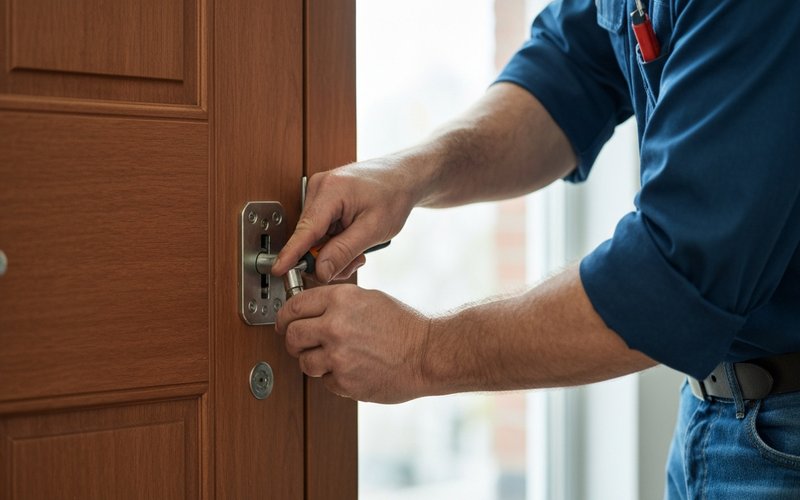
Beyond state licensing, look for locksmiths who hold certifications from recognized industry organizations such as the Associated Locksmiths of America (ALOA). These certifications demonstrate a commitment to ongoing education and adherence to industry standards and best practices.
Professional locksmiths should also carry proper insurance, including liability insurance and workers' compensation coverage. This protects you from potential liability if an accident occurs on your property or if any damage happens during the service.
Check for a Physical Business Address
One of the most significant red flags in the locksmith industry is the absence of a legitimate business address. Many locksmith scams operate entirely online or through call centers, with no actual storefront or workshop.
A reputable locksmith service should have a verifiable physical location where customers can visit if needed. This demonstrates stability and accountability. Before hiring a locksmith, verify that the address listed on their website and business materials is legitimate. You can do this by looking up the address on Google Maps or even driving by the location.
Broadway Locksmith NYC operates from our established location at 2896 Broadway in the heart of the Upper West Side. Having a physical presence in the community means we're invested in maintaining our reputation and providing consistent, high-quality service to our neighbors.
Be wary of locksmiths who only provide a phone number or use generic names like "Locksmith NYC" or "Emergency Locksmith" without any distinguishing business identity. These are often national call centers that dispatch subcontractors, making it difficult to ensure quality or hold anyone accountable for poor service.
Research Their Reputation and Reviews
In today's digital age, a locksmith's reputation is readily available through online reviews and testimonials. Take the time to research potential locksmiths before you need their services, especially if you're planning non-emergency work like rekeying locks or installing new security systems.
Look for reviews on multiple platforms, including Google, Yelp, Better Business Bureau, and Facebook. Pay attention to both the overall rating and the content of individual reviews. A pattern of similar complaints should raise concerns, while consistently positive feedback about professionalism, fair pricing, and quality work indicates a trustworthy service provider.
When reading reviews, focus on factors that matter most to you, such as response time for emergencies, quality of work, pricing transparency, and customer service. Keep in mind that even the best businesses may have occasional negative reviews, but how they respond to criticism can be very telling about their commitment to customer satisfaction.
Word-of-mouth recommendations from friends, family, neighbors, or your building superintendent can also be invaluable. People who have had positive experiences with a locksmith are usually happy to share their recommendations.
Understand Their Pricing Structure
Pricing transparency is one of the most important factors when choosing a professional locksmith. Unfortunately, the locksmith industry has seen its share of price-gouging scams, particularly during emergency situations when customers are most vulnerable.
A reputable locksmith should provide clear information about their pricing structure upfront. Before any work begins, you should receive an estimate that includes all potential costs, including:
- Service call fees or trip charges
- Labor costs (hourly rate or flat fee)
- Parts and materials
- Any additional fees for emergency or after-hours service
How Much Should a Locksmith Cost in NYC?
Locksmith costs in New York City vary depending on the type of service needed. For standard services during normal business hours, you can typically expect:
- Lockout service: $75-$150 for residential, potentially higher for automotive or commercial
- Lock rekeying: $20-$50 per lock
- Lock installation: $100-$250 depending on lock type and complexity
- Key duplication: $5-$25 per key depending on type
- Emergency after-hours service: Often includes a premium of 50-100% above standard rates
Why Do Locksmiths Charge So Much Money?
Some customers are surprised by locksmith costs, but several factors justify professional pricing:
Specialized Skills and Training: Professional locksmiths undergo extensive training and must stay current with evolving lock and security technology. This expertise commands fair compensation.
Business Overhead: Maintaining a physical location, proper insurance, licensing, a fleet of service vehicles, and inventory of parts and equipment requires significant investment.
Emergency Availability: Many locksmiths offer 24/7 emergency service, which means maintaining staff availability around the clock.
Specialized Tools: Professional-grade locksmith tools and equipment represent a substantial investment and require ongoing maintenance and replacement.
Liability and Insurance: Proper insurance coverage to protect both the business and customers adds to operational costs.
While quality locksmith service isn't cheap, it should also never be surprisingly expensive. Avoid locksmiths who provide lowball quotes over the phone only to dramatically increase the price once they arrive.
Evaluate Their Response Time and Availability
When you're locked out of your home or car, every minute feels like an eternity. A professional locksmith service should be able to provide realistic estimates for arrival time and actually meet those commitments.
How Quickly Can an NYC Locksmith Arrive?
In New York City, a local locksmith should typically be able to reach your location within 20-30 minutes for emergency calls, though this can vary depending on traffic conditions, time of day, and your specific location. Locksmiths serving specific neighborhoods, like Broadway Locksmith NYC's focus on the Upper West Side and surrounding areas, can often respond more quickly than services dispatching from distant locations.
When you call for emergency service, a professional locksmith should:
- Answer the phone promptly or return calls quickly
- Ask relevant questions about your situation
- Provide a realistic timeframe for arrival
- Keep you updated if delays occur
- Dispatch a technician who actually arrives within the promised window
Assess Their Range of Services
A truly professional locksmith service offers comprehensive solutions for residential, commercial, and automotive needs. While some locksmiths specialize in specific areas, a full-service provider offers several advantages, including the convenience of having one trusted contact for all your lock and security needs.
Residential Locksmith Services
For homeowners and renters, look for locksmiths who can handle:
- Emergency lockout assistance
- Lock installation and replacement
- Lock rekeying and master key systems
- High-security lock solutions
- Smart lock installation and programming
- Door hardware repair and replacement
- Safe installation and opening
- Security consultations and upgrades
Commercial Locksmith Services
Businesses have unique security needs that require specialized expertise:
- Access control systems
- Master key and sub-master key systems
- Panic bar and emergency exit device installation
- Commercial-grade lock installation
- Safe and vault services
- Security system integration
- After-hours emergency service
Automotive Locksmith Services
Car lockouts and key issues require specific skills and equipment:
- Vehicle lockout service
- Car key duplication and replacement
- Transponder key programming
- Ignition repair and replacement
- Broken key extraction
- Smart key and fob programming
Look for Modern Technology and Techniques
The locksmith industry has evolved significantly with technological advances in security systems. A professional locksmith should be knowledgeable about and capable of working with modern security solutions, not just traditional mechanical locks.
This includes familiarity with:
- Smart locks and electronic access systems
- Biometric security devices
- Keyless entry systems
- Video doorbell integration
- Mobile app-controlled locks
- High-security lock brands like Medeco, Mul-T-Lock, and Assa Abloy
Evaluate Their Professionalism and Communication
From your first interaction, a professional locksmith should demonstrate qualities that inspire confidence and trust:
Clear Communication: They should explain the problem, proposed solution, and costs in terms you can understand, without using jargon to confuse or intimidate you.
Proper Identification: Technicians should arrive in clearly marked vehicles and wear uniforms or identification badges. They should be willing to show credentials before beginning work.
Respect for Your Property: Professional locksmiths take care to protect your property, using drop cloths when needed and cleaning up after completing work.
Written Documentation: You should receive written estimates before work begins and itemized invoices upon completion.
Professional Appearance: While locksmithing can be messy work, technicians should maintain a professional appearance and demeanor.
Honest Recommendations: A trustworthy locksmith will recommend the most cost-effective solution, not automatically push the most expensive option. If your lock can be repaired rather than replaced, they should tell you.
Watch for Red Flags and Warning Signs
Being able to identify warning signs of unprofessional or fraudulent locksmiths is just as important as knowing what to look for in a good one. Be immediately cautious if you encounter any of these red flags:
Unmarked Vehicles: Legitimate locksmiths arrive in clearly marked company vehicles with business names, phone numbers, and often logos.
Drilling as the First Solution: While some situations require drilling out locks, this should generally be a last resort. A skilled locksmith can pick most locks without destroying them.
Demanding Cash Only: While some locksmiths prefer cash, refusing to accept credit cards or checks can indicate an unlicensed operation trying to avoid paper trails.
Significant Price Increases: If the price suddenly jumps dramatically from the phone estimate without clear justification, this is a major red flag.
Lack of Proper Identification: Any reluctance to provide licensing information, business credentials, or personal identification should end the transaction immediately.
High-Pressure Sales Tactics: Pushing unnecessary services or upgrades, especially using scare tactics about security vulnerabilities, indicates someone more interested in profits than customer service.
No Physical Address: As mentioned earlier, the absence of a verifiable business location is a significant warning sign.
Consider Their Local Expertise and Community Connection
In a city as diverse and complex as New York, local expertise matters. A locksmith familiar with your neighborhood understands the specific security challenges and requirements of the area.
Local locksmiths who live and work in the community have reputations to protect and are more likely to provide honest, fair service. They understand the types of locks commonly used in area buildings, the security concerns specific to different neighborhoods, and local building codes and requirements.
Broadway Locksmith NYC's location on the Upper West Side means we're intimately familiar with the mix of pre-war buildings, modern apartments, brownstones, and commercial spaces that characterize this vibrant neighborhood. This local knowledge translates to more efficient service and better recommendations tailored to your specific situation.
Verify They Follow Proper Security Protocols
A professional locksmith takes security seriously, which means they should follow specific protocols to verify that you're authorized to access the property in question.
For residential lockouts, legitimate locksmiths will ask for identification and proof of residency before providing access. This might include:
- Government-issued ID matching the address
- Utility bills or lease agreements
- Verification with property management or landlords when necessary
For commercial properties and automotive lockouts, similar verification processes should apply. This attention to security protocols demonstrates professionalism and ethical business practices.
Ask About Warranties and Guarantees
Professional locksmiths stand behind their work with warranties or guarantees. Before hiring a locksmith, ask about:
- Warranties on parts and labor
- Guarantees on the functionality of installed locks
- Policies for addressing issues that arise after service
- Timeframes for warranty coverage
Be wary of locksmiths who refuse to provide any warranty or guarantee on their work. Quality workmanship should be backed by confidence in the results.
Prepare Questions to Ask Before Hiring
When you contact a locksmith, having a prepared list of questions helps you quickly evaluate their professionalism and suitability for your needs. Consider asking:
- Are you licensed and insured in New York State?
- What is your physical business address?
- Can you provide an estimate based on my description of the problem?
- What is your expected arrival time?
- Will there be additional charges beyond the estimate?
- What payment methods do you accept?
- Do you offer warranties on your work?
- How long have you been in business?
- Are your technicians employees or subcontractors?
Plan Ahead for Emergencies
While you can't always prevent lock emergencies, you can prepare for them by identifying a trustworthy locksmith before you need one. Research and save contact information for a reliable locksmith service while you have time to make an informed decision.
Consider:
- Saving a trusted locksmith's number in your phone contacts
- Keeping a business card in your wallet or car
- Sharing recommendations with family members or employees
- Establishing a relationship through non-emergency services first
Trust Your Instincts
Finally, don't underestimate the value of your intuition. If something