
As a homeowner in New York City, your security should always be a top priority. The Upper West Side and surrounding neighborhoods are wonderful places to live, but like any urban area, they require vigilance when it comes to home security. At Broadway Locksmith NYC, we've seen firsthand how simple safety measures can prevent break-ins and keep families safe. Whether you're a first-time homeowner or have lived in your property for years, these essential locksmith safety tips will help you maintain a secure home and give you peace of mind.
Understanding Your Current Lock Security Level
Before you can improve your home's security, you need to understand what you're working with. Many NYC homes, especially older buildings in the Upper West Side area, may have outdated locks that don't meet modern security standards. Take time to inspect all entry points to your home, including front and back doors, basement entrances, and any doors leading to fire escapes.
Look for signs of wear such as loose doorknobs, keys that stick or turn roughly, or visible damage to the lock mechanism. These are red flags that your locks need attention. Grade 1 locks offer the highest security, while Grade 3 provides basic protection. If you're unsure about your lock's grade, a professional locksmith can assess your current setup and recommend appropriate upgrades.
Rekey Your Locks When You Move In
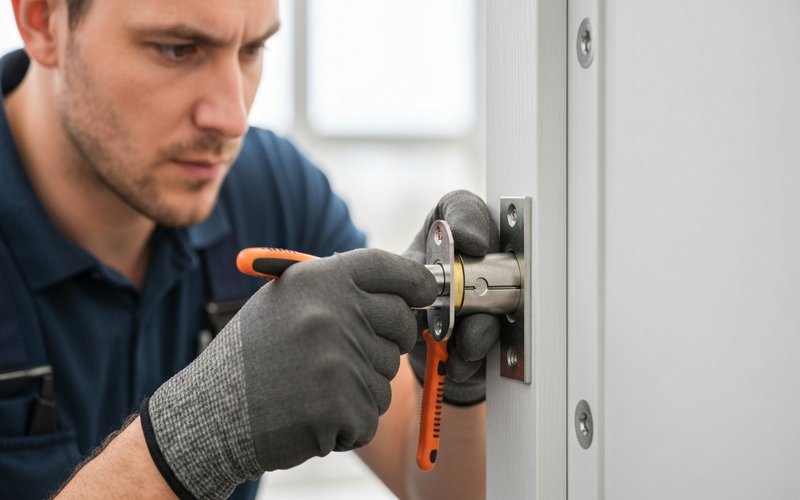
One of the most overlooked safety tips for new homeowners is rekeying locks immediately after moving in. You never know how many copies of your keys are floating around from previous owners, their family members, contractors, or real estate agents. Rekeying is a cost-effective solution that allows you to keep your existing locks while ensuring that old keys no longer work.
This process involves changing the internal pins and springs of the lock cylinder so that a new key is required to open it. Rekeying is significantly cheaper than replacing all your locks entirely and can typically be completed in a few hours. For NYC homeowners, this simple step is essential for establishing true security in your new home.
Invest in High-Security Lock Systems
Not all locks are created equal, and in a city like New York, investing in high-security locks is a smart decision. High-security locks feature advanced mechanisms that resist picking, drilling, and bumping—common techniques used by burglars. These locks often come with restricted keyways, meaning keys can only be duplicated with proper authorization, adding another layer of security.
Consider these high-security options:
- Medeco locks: Known for their patented key control and pick-resistant design
- Mul-T-Lock: Features telescopic pin technology that's nearly impossible to pick
- ASSA ABLOY: Offers rotating disk technology that prevents traditional lock-picking methods
- Schlage Primus: Combines side-bar technology with traditional pin tumblers for dual security
Never Hide Spare Keys Outside
It might seem convenient to hide a spare key under a doormat, in a fake rock, or above the door frame, but burglars know all these hiding spots. This common practice essentially gives intruders an invitation into your home. Instead, give a spare key to a trusted neighbor, family member, or friend who lives nearby.
Alternatively, consider installing a smart lock system that allows keyless entry through codes or smartphone apps. This eliminates the need for physical spare keys entirely while giving you the flexibility to grant temporary access to guests, dog walkers, or service providers.
Maintain Your Locks Regularly
Like any mechanical system, locks require regular maintenance to function properly. A well-maintained lock not only lasts longer but also provides better security. Every six months, take these simple maintenance steps:
- Clean your locks with a dry lubricant specifically designed for locks (avoid oil-based products that attract dirt)
- Check that all screws on door hardware are tight
- Test that keys turn smoothly without sticking
- Ensure deadbolts extend fully into the door frame
- Inspect door frames for signs of weakness or damage
Know When to Call a Professional Locksmith
While some lock maintenance can be done yourself, certain situations require professional expertise. Understanding when to call a locksmith can save you time, money, and potential security risks. Contact a professional locksmith if:
- You've lost your keys or had them stolen
- Your key breaks off inside the lock
- You're locked out of your home
- Your lock has been damaged during an attempted break-in
- You want to upgrade to high-security locks
- Your locks are old and you're unsure of their security level
Understanding Locksmith Costs in NYC
Many homeowners worry about locksmith costs, but understanding typical pricing can help you budget appropriately and avoid scams. In New York City, locksmith services generally range from $75 to $200 for standard service calls during business hours. Emergency or after-hours services typically cost more, often with a premium of $50 to $100 added to the base rate.
Rekeying locks usually costs between $80 and $160, depending on the number of locks and their complexity. Lock replacement costs vary widely based on the quality and type of lock you choose, ranging from $150 for basic locks to $400 or more for high-security systems. Hourly rates for locksmith services in NYC typically fall between $100 and $150 per hour.
Be wary of locksmiths who can't provide clear pricing estimates over the phone or who quote suspiciously low rates. Reputable locksmiths will be transparent about their pricing structure and any potential additional charges.
Smart Lock Technology: Modern Security Solutions
Smart locks represent the cutting edge of home security technology, offering convenience without sacrificing safety. These systems allow you to lock and unlock doors using smartphones, key codes, or even biometric data. Many smart locks integrate with home automation systems, allowing you to monitor your door's status remotely and receive alerts when someone enters or exits.
Benefits of smart locks include:
- No need for physical keys
- Ability to grant temporary access codes to guests
- Remote locking and unlocking capability
- Integration with security systems and cameras
- Detailed access logs showing who entered and when
Secure All Entry Points
Many homeowners focus exclusively on their front door security while neglecting other vulnerable entry points. Burglars often target back doors, basement entrances, and windows because they're less visible and frequently have weaker security measures.
Ensure every door that leads outside has a quality deadbolt lock with at least a one-inch throw. Sliding glass doors should have secondary security measures like a rod in the track or a pin-lock system. Windows, especially those on ground floors or near fire escapes, should have locks that function properly and can't be easily jimmied open from outside.
Emergency Preparedness: What to Do When Locked Out
Even with the best precautions, lockouts happen. Knowing how to handle this situation safely can prevent you from making costly mistakes or compromising your security. If you find yourself locked out:
1. Stay calm and check all other entry points—you might have left another door or window unlocked 2. Call a trusted neighbor or family member who has a spare key 3. Contact a reputable locksmith with verified credentials 4. Avoid attempting to break in yourself, which can cause damage and potentially trigger alarm systems 5. Never hire a locksmith who arrives in an unmarked vehicle or refuses to show identification
Protecting Your Home While Traveling
When you're away from home, additional security measures become crucial. Before any trip, ensure all locks are functioning properly and consider these additional precautions:
- Have a trusted neighbor collect mail and packages
- Use timers on lights to create the appearance of occupancy
- Don't announce your travel plans on social media
- Consider a house sitter for extended trips
- Verify all windows and secondary doors are locked, not just the front door
Conclusion
Home security doesn't have to be complicated, but it does require attention and the right expertise. By following these locksmith safety tips, you'll significantly improve your home's security and your family's safety. Regular maintenance, quality locks, and professional guidance when needed create a comprehensive security strategy that protects what matters most.
If you're in the Upper West Side or anywhere in Manhattan and need professional locksmith services, Broadway Locksmith NYC is here to help. Whether you need an emergency lockout service, want to upgrade to high-security locks, or simply need advice on improving your home security, our experienced team provides reliable, transparent service you can trust. Contact us today to schedule a security assessment or to discuss your locksmith needs. Your home's security is our priority.